
If you are considering a career in finance, forex trading jobs trading-asia.com provides valuable resources and insights into various trading roles, particularly in the fast-paced world of forex trading.
Exploring Forex Trading Jobs: Opportunities and Skills Needed
Forex trading, the act of buying and selling currencies on the foreign exchange market, has become an increasingly popular career path for those interested in finance and investment. With the globalization of trade and investments, the demand for skilled forex traders has risen substantially. In this article, we will explore the different types of forex trading jobs available, the skills required to excel in this field, and tips on how to start your journey in forex trading.
Understanding Forex Trading
Before delving into forex trading jobs, it’s crucial to understand what forex trading entails. The forex market is the largest financial market globally, with a daily trading volume exceeding $6 trillion. Traders in this market buy and sell currency pairs, such as USD/EUR or GBP/JPY, aiming to profit from fluctuations in exchange rates. Forex trading can be conducted by banks, financial institutions, and individual traders, each employing various strategies and methods.
Types of Forex Trading Jobs
There are several roles available within the forex trading industry, each catering to different skills and interests. Here are some of the primary job types:
- Forex Trader: The most direct job role, forex traders execute trades on behalf of themselves or their employer. They analyze market trends, execute trades, and manage their portfolios.
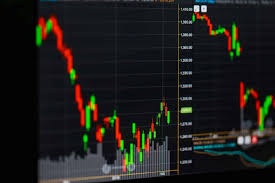
- Market Analyst: Market analysts study financial markets and economic news to provide insights into potential market movements. They use technical analysis, charts, and other tools to forecast currency performance.
- Risk Manager: Risk managers assess and mitigate risks within trading strategies and portfolios. They develop strategies to limit losses and ensure the firm remains compliant with financial regulations.
- Quantitative Analyst: Quantitative analysts focus on data analysis and mathematical models to predict market movements. They often possess strong programming skills and work on developing automated trading systems.
- Forex Broker: Forex brokers facilitate trades between buyers and sellers by providing a platform for transactions. They may also provide advisory services to clients looking to enter the forex market.
- Educator or Trainer: Experienced traders may choose to educate others about forex trading. This role can involve teaching at trading schools, offering online courses, or writing educational content.
Skills Required for Forex Trading Jobs
Successful forex trading requires a unique set of skills that can be developed over time. Here are some essential skills for anyone looking to break into this field:
- Analytical Skills: The ability to analyze market trends, economic factors, and historical data is crucial for making informed trading decisions.
- Technical Skills: Proficiency in trading platforms, charting software, and analytical tools is essential for executing trades and analyzing market conditions.
- Risk Management: Understanding how to assess and manage financial risk is vital to protecting investments and ensuring long-term profitability.
- Decision-Making: Traders must make quick decisions based on market movements and news. This requires confidence in their analysis and the ability to remain calm under pressure.
- Emotional Control: Forex trading can be stressful. Keeping emotions in check is crucial for making rational decisions rather than impulsive reactions to market changes.
- Communication Skills: Whether working as part of a team or communicating with clients, clear communication is necessary to ensure that strategies are well understood and executed.
Starting Your Career in Forex Trading
If you’re interested in pursuing a career in forex trading, here are some steps to help you get started:
- Educate Yourself: Begin with understanding the basics of forex trading. There are many resources available, including online courses, books, and webinars. Familiarize yourself with concepts like pips, leverage, margin, and currency pairs.
- Gain Experience: Consider starting with a demo trading account. Many brokers offer demo accounts that let you practice trading strategies with virtual money. This will help you understand the trading platform and refine your skills without financial risk.
- Networking: Join trading communities, attend seminars, and follow forex trading forums. Networking can lead to job opportunities, mentorship, and valuable advice from experienced traders.
- Seek Credentials: While not always required, obtaining a degree in finance, economics, or a related field can enhance your credentials. Additionally, certifications like the Chartered Financial Analyst (CFA) or Chartered Market Technician (CMT) can be beneficial.
- Apply for Jobs: When you feel ready, start applying for forex trading jobs. Tailor your resume to highlight relevant skills and experiences, and be prepared to discuss your trading philosophy and strategies in interviews.
The Future of Forex Trading Jobs
The forex trading landscape is continuously evolving, influenced by technological advancements and economic changes. The rise of algorithmic trading, artificial intelligence, and machine learning is shaping how trades are executed, leading to a demand for new skills and expertise. Additionally, as more people become interested in personal finance and investment, the need for skilled forex traders and educators will likely expand.
In conclusion, a career in forex trading can be both challenging and rewarding. With the right skills, education, and experience, you can find opportunities that not only match your professional goals but also foster your passion for finance and markets. Whether you aim to become a trader, analyst, or educator, the potential for growth and success in the forex trading industry is significant.
Comentarios recientes