
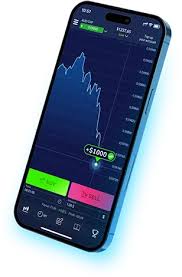
In the world of online trading, the Pocket Option platform has become a popular choice for both novice and experienced traders alike. This platform allows users to trade binary options with various assets, including forex, cryptocurrencies, stocks, and commodities. However, to succeed in trading, having a robust strategy is crucial. In this article, we will explore effective strategies for trading on Pocket Option. For more detailed strategies, you can refer to this Strategy Pocket Option https://pocket-option-uz.ru/strategii/.
Understanding Pocket Option
Pocket Option is an online trading platform that provides users with fast and easy access to financial markets. One of its key features is the user-friendly interface, which makes it ideal for beginners. Additionally, Pocket Option offers a demo account, allowing traders to practice their strategies without risking real money. Despite the simplicity of the platform, traders must have well-defined strategies to navigate the complexities of the market and make informed trading decisions.
Key Strategies for Pocket Option Trading
Let’s delve into some of the most effective strategies that can enhance trading performance on the Pocket Option platform:
1. Trend Following Strategy
The trend following strategy is widely used by traders of all levels. This approach involves analyzing market trends and making trades that align with the current market direction. A trader who identifies a trending market—whether it’s upwards or downwards—will look for opportunities to enter trades that follow the trend. Tools such as moving averages can be helpful in identifying trends. Traders can use indicators like the Moving Average Convergence Divergence (MACD) to confirm their analyses.
2. Support and Resistance Levels
Understanding support and resistance levels is crucial for making informed trading decisions. Support levels are price points where an asset tends to stop falling, while resistance levels are where it tends to stop rising. By identifying these levels on the charts, traders can anticipate potential price reversals and make trades accordingly. A common strategy is to buy when the price approaches a support level and sell when it approaches a resistance level.
3. The Martingale Strategy
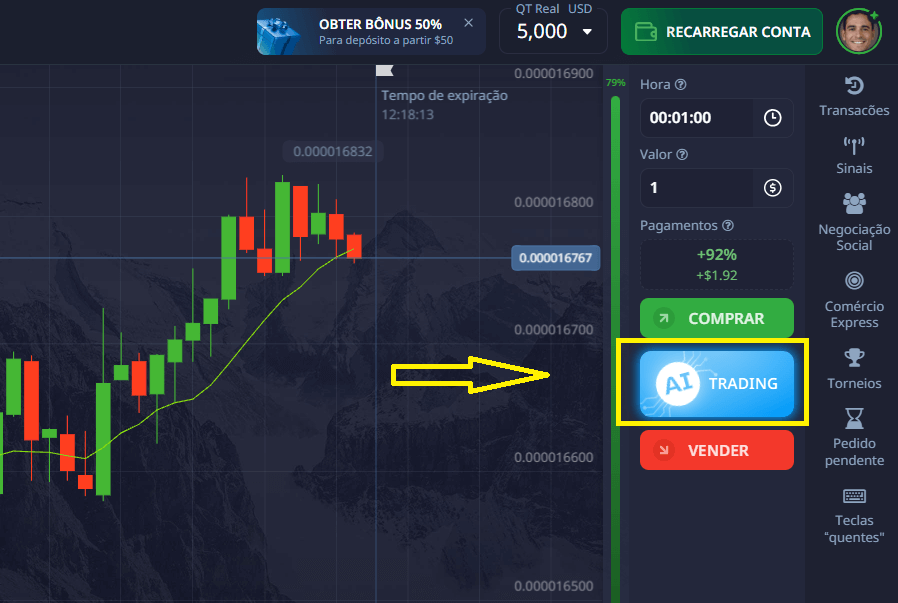
The Martingale strategy is one of the more aggressive trading strategies, which involves doubling the stake after a loss. The idea is that when a win finally occurs, it will recover all previous losses plus produce a profit equivalent to the original stake. While this strategy can be appealing due to its simplicity, it carries significant risks. Traders should use this strategy cautiously and only in markets where they feel confident about the potential outcome.
4. Bollinger Bands Strategy
Bollinger Bands are a volatility indicator that comprises three lines: the upper band, the lower band, and the middle band (simple moving average). This technique helps traders identify overbought or oversold conditions. A common strategy is to buy when the price touches the lower band and sell when it touches the upper band. By analyzing how the price interacts with the bands, traders can make informed decisions.
5. News Trading Strategy
Economic news releases can significantly impact market movements. The news trading strategy involves monitoring economic calendars and making trades based on news events. Traders should focus on high-impact news that can lead to volatility. For instance, interest rate changes, employment reports, and geopolitical events can result in swift price movements. Successful news trading requires quick decision-making and risk management.
Risk Management in Pocket Option Trading
While having a strategy is essential, risk management cannot be overlooked. Traders should set limits on how much they are willing to risk on a single trade. A common practice is to risk no more than 1-2% of the trading account per trade. This approach helps traders endure losing streaks without depleting their capital. Furthermore, the use of stop-loss orders can help protect investments by automatically closing trades at predetermined levels.
The Importance of Continuous Learning
The financial markets are constantly evolving, and continuous learning is essential for long-term success. Traders should stay informed about market trends, trading strategies, and economic news. Engaging with trading communities, attending webinars, and reading books can also provide valuable insights and new techniques that can enhance trading performance.
Conclusion
Trading on the Pocket Option platform can be rewarding, but it requires well-defined strategies and effective risk management. By employing various trading strategies such as trend following, support and resistance levels, the Martingale strategy, Bollinger Bands, and news trading, traders can enhance their chances of success. Coupled with disciplined risk management and ongoing education, traders can navigate the challenges of the financial markets. Remember, every successful trader starts with a solid strategy, so take time to develop and refine yours before diving into trades.
Comentarios recientes